Select the Right Fence Shade: Melbourne Fence Firm Tips
A fencing is one of those selections you cope with each and every single day. Even if you do everything else flawlessly, the incorrect shade can make a good home really feel unfinished or oddly dissimilar. In Melbourne, the decision gets added fascinating since our climate swings in between blazing sunlight, humid stretches, and extended periods of wet. That indicates fence colour is not only about style, it is likewise regarding how the surface behaves over time.
I've seen lots of work where the home owner toenailed the product, the spacing, the height, even eviction equipment, and then the colour choice silently weakened the entire appearance. Occasionally it is too dark and reveals all dust. Various other times it is as well cozy best fence company and encounter the brick or the roof undertone. The good news is that fence colour is one location where you can obtain it appropriate promptly, as long as you approach it like a useful style trouble, not simply a "pretty paint swatch" exercise.
Below are things I check out when aiding clients via fence colour option, the trade-offs that matter in Melbourne, and a straightforward way to test before you commit.
Start with the colours you can not transform (and shouldn't overlook)
When people ask me for fence colour pointers, they generally start with the fence itself. Yet the fencing is hardly ever the initial dominant colour in the streetscape. It sits next to, and usually behind, several set aspects: brickwork, make, roof floor tiles or steel bed linen, window frames, driveway pavers, and also the colour of neighboring trees and yard edging.
A helpful mindset is to treat the fence as a "structure" for the remainder of the exterior. Frame colours ought to either harmonise or purposefully comparison, however they must not fight.
Here's exactly how I commonly simplify on website:
- If your roof is an awesome charcoal or slate, a cozy off-white fencing might look a bit off, even if it sounds neutral.
- If you have actually obtained red-brown block, a grey fencing can review plain or greenish relying on illumination and the touch of the mortar.
- If your window structures are crisp white, a soft off-white fencing can look cleaner and calmer than a raw brilliant white that really feels also medical outdoors.
In Melbourne, early morning light can be quite various from mid-day light. A colour that looks balanced at 11 am might look harsher by 4 pm when the sunlight hits at an angle. That is one factor "it looked terrific in the display room" tales take place. Showrooms are controlled settings. Your front fencing lives under moving weather and transforming angles.
Understand the Melbourne fact: dust, wetness, and fading
Fence colour affects exactly how upkeep shows up. Darker colours often look premium when they are fresh, yet they likewise disclose dirt much faster. Melbourne dirt and plant pollen can gather promptly on straight surface areas and windward faces, and even a small film of gunk can come to be noticeable on charcoal, deep eco-friendlies, and black.
I have actually had customers who enjoyed the look of a near-black fencing on the first day, then really felt dissatisfied a couple of months later on when it looked significantly duller compared to surrounding surfaces. It trusted fencing installers had not been that the fencing had fallen short. It was simply that the colour made the modifications obvious.
Moisture is an additional factor. Melbourne yards and seaside influences vary, however as a whole we obtain plenty of wet spells. On fences, that can indicate remaining moisture in edges, downpipes, and locations shaded by trees. Lighter colours have a tendency to forgive moist discoloration more beautifully in a lot of cases, however they can likewise reveal mildew if surface area prep or coating high quality is bad. Colour can not rescue an improperly prepared substrate, and this is where you desire a Melbourne fence firm that takes prep seriously, not simply the colour matching.
Then there is fading. No coating is immune, but lighter colours usually reveal less modification than very dark tones. If you want a deep colour, you can still go there, just prepare for the fact that it may not remain completely "new" searching for as lengthy as a paler alternative. That's not a reason to stay clear of dark colours, it is a factor to choose them with your upkeep expectations aligned.
Timber vs steel vs compound: the colour game adjustments by material
Colour choice is not the same for hardwood, steel, aluminium, or compound. Each product takes care of light and weather in a different way, and the means you "surface" the surface area matters as much as the colour name on a sample.
Timber
Lumber colour options frequently come down to whether you intend to maintain an all-natural grain look or move into stains and paints that camouflage grain variation. A painted lumber fencing can look crisp and constant, yet it likewise highlights the importance of sealing and covering upkeep. If your location obtains lots of sun exposure, painted finishes can reach a factor where touch ups become essential to maintain the appearance even.Also, timber tone can shift with wetness. A fencing that looks perfectly matched when dry can deepen or lighten slightly after damp weather. This is why I suggest checking out examples after a typical drying cycle, not simply in the very first week of installation.
Steel and aluminium
For metal fence, colour is commonly a powder-coated or painted surface. These can hold their look well, particularly when preparation and layer thickness are done effectively. Metal likewise tends to show damages and scratches in a colour that is darker or more reflective, so if you have children, animals, or routine entrance traffic, think about practical wear points.Composite and vinyl-style products
Compound fencings often provide steady colour over time, though precise efficiency relies on the brand and the details product. Even after that, you still wish to match the fence colour with the general palette due to the fact that the "undertone" can look warmer or cooler than you expect once it is set up at full scale.The bottom line: don't deal with "colour" as a standalone decision. Material choice influences how the colour reads, just how promptly it picks up marks, and how it ages.
Match the undertones, not simply the shade
This is the component most people miss, and it's the distinction between a fencing that looks deliberate and one that feels like a compromise.
Many colours have undertones. "Grey" can lean trendy (nearly blue) or cozy (virtually beige). "White" can be genuinely neutral or it can have a creaminess that matters a lot in daylight.
A practical way to method undertones is to take pictures of your home in daylight. If you can, take them at two times of day, early morning and late mid-day. After that compare those pictures to the fencing examples you are thinking about. You will quickly see touch conflicts.
I as soon as had a client pick an amazing light-grey fencing because it looked "modern" with a neutral façade. The roof covering and block really did not look cozy to their eyes, but in the photos the roofing had a refined warm cast. The result was that the fencing looked a little blue beside the frontage. It wasn't tragic, however it did feel colder than the rest of the frontage. Switching over the fence to a grey with a warmer touch made the whole location look more natural, even though it still felt modern.
That is what you want: cohesion without blandness.
Consider how the fencing colour alters the perceived size of your property
Colour is also an aesthetic device. In numerous Melbourne roads, the spacing in between residences and the deepness of front gardens can be limited. A fence colour can make your residential or commercial property feel taller, wider, brighter, or more enclosed.
- Dark fencing colours can develop a solid, stylish overview, especially versus light brick or render.
- Light fence colours can open up a narrow frontage and make smaller sized lawns feel less boxed in.
- Very saturated colours, like deep forest eco-friendly, can be sensational, however they can also dominate the whole streetscape if the remainder of the residence scheme is minimal.
If you have a smaller sized front yard, I usually guide customers towards light or mid-tone neutrals, or a dark colour utilized more sparingly. As an example, a dark fence can look great when the frontage itself has solid structure or comparison, yet it can feel hefty if the rest of the home is already light and delicate.
Think concerning gates and messages as the "visual supports"
Your fence panels are only component of the story. Gates, blog post caps, and any kind of ornamental components usually take the aesthetic lead. If you choose one colour for panels however end up with a somewhat various tone for messages or gate equipment, your eye captures it immediately.
This comes up commonly with:
- Powder finishing batches that are close however not similar in tone.
- Painted parts where the surface appearance differs.
- Hardware that is a dissimilar metal coating, like warm brownish powder layer versus great grey brackets.
An excellent Melbourne fence company will straighten components carefully and verify the final search in the actual installed lighting, not just in packaging or example cards.
If you're doing it yourself with components sourced at different times, this is where blunders occur. If you're contracting it out, ask inquiries concerning just how they handle uniformity across posts, gateways, and infill.
Practical pairing ideas that work in Melbourne (without securing you in)
You're not seeking guidelines that turn your home right into a clone of another street. You want selections that make sense with your existing products and your lifestyle.
Here are some pairing patterns I see job time and again, specifically in Melbourne homes where block and roof covering colours vary widely.
A light neutral fencing often tends to fit a lot of façade styles. It mixes with the majority of brick tones and minimizes the "showing dirt" impact contrasted to dark fences. It likewise has a tendency to look crisp beside rich greenery.
A charcoal or deep grey fencing usually looks modern-day and tidy, especially with warmer block or light render. The compromise is upkeep presence and heat absorption in solid sun.
An all-natural wood tone can look cozy and welcoming, specifically in yards with hardwood features or in homes with softer architectural lines. The compromise is that wood appearance calls for a bit more recurring interest to keep it looking even.
A deep environment-friendly fencing is a strong choice that can look beautiful versus both light and earthy residence colours. The key is to pick an environment-friendly with an undertone that doesn't go a little yellow in daylight. If the house colours are already cozy, a cooler deep environment-friendly has a tendency to look even more intentional.
If you're unclear, a risk-free technique is to select one "anchor" tone from your house, generally the roofing or the leading block tone, and after that choose a fencing colour that either mirrors it gently or contrasts with a deliberately selected shade. Presuming in the center often results in the "why does it look off" feeling.
Testing the colour correctly: samples, range, and actual weather
Fence colour decisions usually happen too quick. An example card is small. A sample panel is better, yet it can still be deceiving if it's photographed at the wrong angle or positioned on a wall surface that has extremely different light conditions.
When I'm encouraging customers, I urge a straightforward testing method:
- Get physical examples in the exact same coating kind you'll mount, not simply the generic colour name.
- Place the sample where the fence will in fact sit, preferably where it gets the most sun and where it gets shade.
- Look at it during both early morning and late mid-day light.
- Think about what will certainly occur after a damp week. Does the colour dim or expose staining?
- Decide based upon how it looks beside your actual brick, provide, and roof.
I understand that's not the fastest way, but it stops one of the most painful outcome: changing a fence colour after it's currently been mounted at full scale.
A note concerning price: screening does not need to be expensive. Frequently you can request example panels or small examples from the fencing provider. The time you conserve later, and the decrease in regret, is typically worth more than the rate of a couple of extra samples.
How fence finish influences your outcomes (gloss, matte, and the "freshness" variable)
Two fences can have the very same colour name and still look different because the coating changes how light shows. Matte coatings have a tendency to hide small surface area marks and look less "glossy brand-new," which can aid your fencing stay visually regular as it ages. Shiny or semi-gloss finishes can look striking at an early stage, yet they can likewise highlight disproportion and show light highly in a way that becomes tiring.
This is especially pertinent for darker colours. Black or charcoal with a more reflective surface can show swirls, micro marks, and cleansing touches a lot more clearly. With matte finishes, those tiny variations are less noticeable.
If you have an energetic family, think about exactly how the fencing will certainly be cleaned. Some coatings respond better to gentle washdowns. If you are anticipating to hose pipe it down regularly throughout summertime, consider how the layer performs and exactly how touches appear on your picked shade.
Maintenance assumptions become part of the colour decision
Let me be direct: colour influences just how "clean" your fencing will search in between maintenance.
A light fencing can still look great also when it isn't newly washed, due to the fact that dust blends a lot more easily into the tone. A dark fencing can look extraordinary right after installation, then gradually show every bit of dirt and pollen till it is cleaned again.
That does not mean dark colours are incorrect. It indicates you need to prepare for the truth. If you are the type of individual that appreciates regular yard tidy-ups and does not mind a seasonal clean, you can absolutely go dark. If you desire low-effort maintenance, you may favor a mid-tone or lighter neutral that hides the daily.
Here's a fast self-check I frequently ask customers to think about in discussion, since it clears up the choice faster than design talk:
- Do you expect to clean the fencing a minimum of annually, or only when it becomes obvious?
- Will the fence encounter a heavy dirt line from a nearby roadway or footpath?
- Are there trees that go down pollen, leaves, or seed husks onto the fence regularly?
- Do you have youngsters, bikes, or constant entrance web traffic that can scuff the reduced areas?
- Are you trying to keep the exterior looking consistent without constant touch-ups?
Answering those concerns helps tighten the colour option to something that matches your real lifestyle, not simply your Pinterest state of mind board.
Colour choice and neighborhood regulations: what to check prior to you decide
Most fencing jobs in Melbourne are regulated by neighborhood planning guidelines and, in some cases, owners' company or heritage style guidelines. These regulations usually connect to height, border problems, products, and occasionally colour or external appearance.
I'm not mosting likely to act every residential area has the very same strategy, because it can differ. What I advise is simple: prior to settling your colour, confirm what is permitted your particular residential or commercial property. A fencing business that frequently operates in your location ought to recognize the usual process and what home owners often tend to be requested. If they do not, that's a warning, even if their layout examples are beautiful.
It's additionally worth examining whether your colour choice affects approvals. Occasionally a certain tone, finish, or comparison degree can be examined. Neutral tones typically make approvals smoother, however that is not ensured. The only trustworthy technique is to check the suitable needs for your residential property and obtain the advice lined up to your case.
Working with fence companies Melbourne: the concerns that prevent regret
When you're managing fence companies Melbourne, you desire greater than a quote. You desire confidence that they will certainly provide consistent colour, proper setup, and the finish high quality you expect. Colour remorse typically takes place when communication concerning samples, touches, and component matching is vague.
Here are the questions that frequently uncover potential troubles early:
- Can you give physical examples of the precise finish and colour, not just electronic images?
- How do you guarantee colour consistency throughout messages, entrances, and panels?
- What preparation actions are consisted of prior to coating or painting?
- What cleaning or upkeep do you suggest for this specific finish and colour?
- Will you reveal a mounted reference panel, or can you verify the anticipated undertone against your house materials?
A professional business must fit addressing these clearly. If they hurry past them, or they talk just in abstract principles, that is normally the moment to slow down.
A real choice example: from "safe grey" to the best undertone
One of the clearest colour transformations I've seen begun with a house owner who wanted a secure grey. Their residence had light brick with a slightly warm mortar tone and a roof covering that read amazing from inside but warmer when sunlight struck it.
They were offered a "grey that opts for every little thing" option. It looked fine versus a white sample board. After that they held the example near the block and the mortar started doing something unforeseen. The grey leaned slightly cool, so the brick and fencing tension came to be noticeable.
We didn't chase after an absolutely different colour. Instead, we relocated to a grey with a warmer touch, something that still checked out contemporary however really did not deal with the exterior. The difference was subtle, but that's what made it feel right. The fence quit feeling "positioned on top of your house" and started resembling it belonged.
That's a great rule for fencing colour: you typically do not need a remarkable change, you require the appropriate partnership in between undertones.
Choosing your final colour: a simple way to decide in one afternoon
If you want an organized process without transforming the day right into a demanding task, you can do it in a workable method. The goal is to reduce guesswork and secure a choice you will like when it's installed and weathered slightly.
Pick 2 candidates, not five. Place both samples where the fencing will sit. After that do a "comparison walk" with your house materials noticeable in the structure, not by staring at the example alone.
Look for three points:
- harmony at a distance, where the fence becomes part of the streetscape
- harmony up close, where undertones and coating show themselves
- how it searches in shadow and sunlight, since Melbourne days transform quickly
If one alternative feels tranquil and belongs in both light conditions, that's typically your winner. If both really feel all right, pick based on maintenance assumptions, lighter for lower presence of dust and darker for a much more dramatic, high-contrast look.
Common fence colour mistakes (and just how to avoid them)
Mistakes aren't always evident throughout selection. In some cases the wrong selection just emerges after the fence is up.
The greatest ones I see:
Choosing a colour that is too dark without planning for dirt visibility and maintenance.
Choosing a "neutral" that has an undertone encounter block or roof. Choosing a surface that reveals every mini mark, specifically on darker shades. Neglecting entrance and post colour placement, causing an uneven or a little off appearance. Making a decision based on a small example without inspecting how it checks out at the complete fence scale. 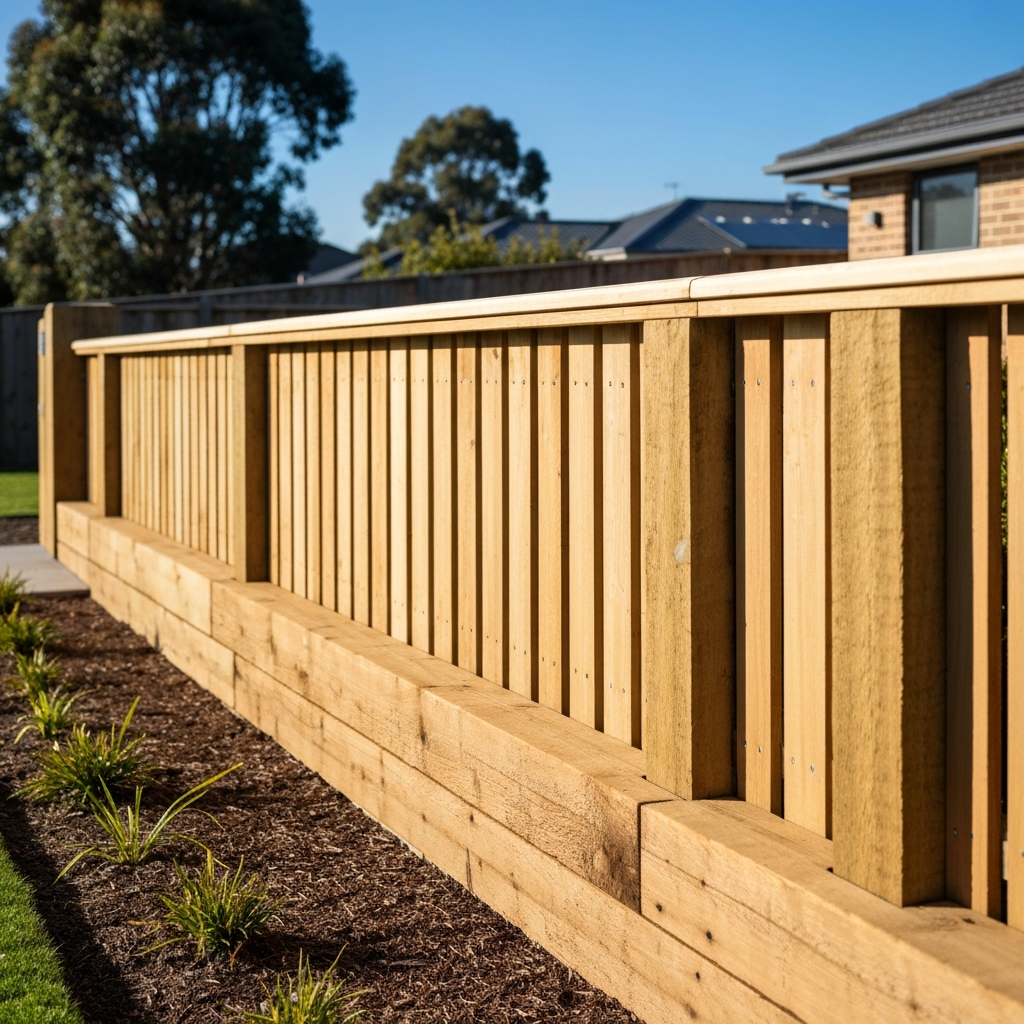
Avoiding these is primarily about screening appropriately and requiring consistency. A fencing is a huge surface, and huge surface areas intensify small differences.
Final thoughts on obtaining the colour right the very first time
A fence colour is among minority outside choices that can substantially shift your home's state of mind without altering anything structural. In Melbourne, the environment includes a layer of realistic look: colour option influences just how dirt appears, how the fencing reviews in wet climate, and how "fresh" it stays in between washes.
If you put in the time to match undertones, examination in genuine daylight, and ask the practical inquiries when dealing with fence companies Melbourne, you're a lot more most likely to wind up with something you'll actually take pleasure in. Which matters, since a fencing is not a passing design minute. It becomes part of your home's daily backdrop.
When the colour fits your products and your way of life, it stops being a choice and starts being simply ... right.